3 Common Issues Prevented by Boat Winterization
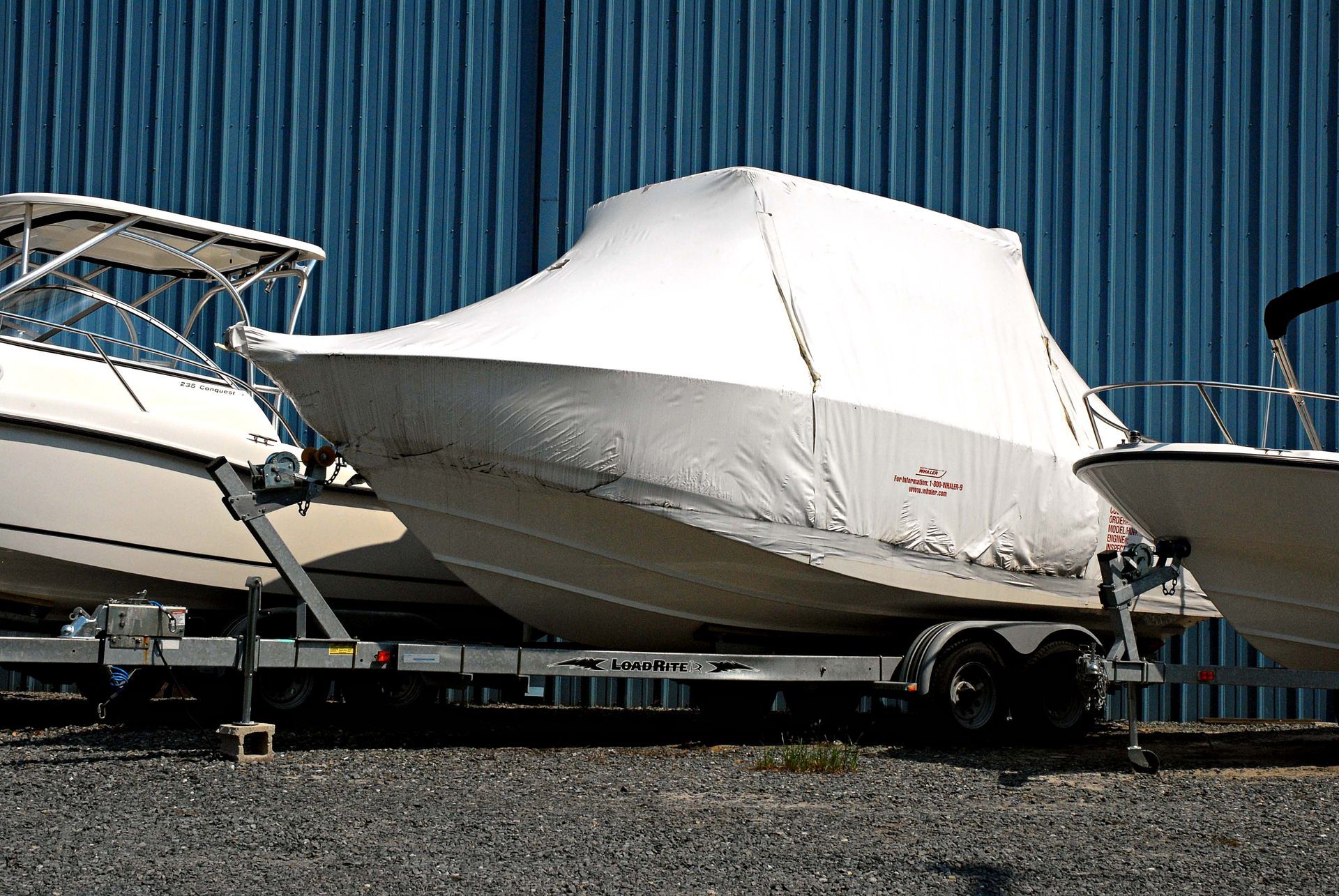
As the colder months approach, responsible boat owners understand the importance of winterizing their vessels. This proactive process not only extends the life of your boat but also prevents a series of common issues that arise due to cold temperatures and inactive periods. In this article, we explore some of the most prevalent problems that effective boat winterization can help avoid. With a commitment to preserving the longevity of the boat, owners are taking preventive measures that are both practical and cost-efficient. The following sections elucidate the necessity of winterization across various boat components to ensure a smooth transition back to boating season.
1. Engine Damage
Freezing of Cooling System
The cooling system of a boat is particularly susceptible to damage during the winter months. When temperatures drop, the water inside the system can freeze and expand, leading to cracks and other structural damage. Proper boat winterization involves draining the cooling system of any water and adding antifreeze to protect against freeze damage. Failure to perform this step can result in costly repairs and extended downtime when boating season returns. By winterizing, boat owners protect one of the most critical components of their vessels, ensuring that the engine remains in working order.
Corrosion Reduction
Corrosion is another significant threat to boat engines, especially when they are inactive during the winter. Moisture can accumulate and lead to rust and degradation of metal parts. Boat winterization addresses this by incorporating products that coat and protect engine surfaces from corrosive elements. This preservation technique is vital in extending the engine's lifespan and maintaining performance. With regular maintenance and winterization, boat owners can avoid unwelcome surprises when they take their boats out in the spring.
Oil Thickening Prevention
Oil thickening is a common issue faced by boats in cold weather conditions. As temperatures drop, the oil can thicken, reducing its effectiveness in lubricating engine parts. This can lead to increased wear and tear and eventual engine failure. Implementing a boat winterization plan that includes replacing old oil with oil designed for cold temperatures can mitigate this risk. Proactively managing oil viscosity ensures that engine components remain lubricated and function optimally throughout the winter.
Fuel Stabilization
Fuel systems are not immune to the effects of prolonged inactivity and cold weather. Over time, fuel can degrade or become contaminated with moisture, which can lead to engine performance issues. Adding a fuel stabilizer during boat winterization helps preserve fuel quality by preventing separation and buildup. This simple yet effective measure can save boat owners time and money when they prepare their boats for the next season. Moreover, it ensures that the engine starts smoothly without any hiccups when it's time to resume boating activities.
Battery Protection
Batteries are particularly vulnerable during the winter months due to cold temperatures and inactivity. A neglected battery can die over the winter, requiring replacement before the next boating season. To prevent this, boat owners often remove the battery and store it in a warm, dry location. Regularly charging the battery throughout the winter can also help maintain its health. By including battery care in a boat winterization plan, boat owners can avoid the inconvenience and cost of battery replacement.
2. Hull Damage
Crack Prevention
The hull of a boat is constantly exposed to harsh weather conditions and can suffer from cracking if not properly maintained. During boat winterization, it's essential to check the hull for any existing cracks and repair them to prevent further damage. Temperature fluctuations can exacerbate existing cracks, leading to more serious structural issues. A thorough inspection and necessary maintenance can avoid expensive hull repairs in the future. Regular care and winterization efforts ensure that the hull remains strong and reliable throughout its life.
Prevention of Gel Coat Blisters
Gel coat blisters are a common aesthetic and structural issue faced by many boat owners. Moisture trapped within the fiberglass can form blisters, especially during periods of temperature change. Applying a quality barrier coat during boat winterization can prevent moisture intrusion and subsequent blistering. This attention to detail not only preserves the boat's appearance but also maintains its integrity below the waterline. Winterization and regular maintenance can keep a boat's exterior looking pristine and structurally sound.
Preventing Oxidation
Oxidation of the hull can lead to a dull, chalky surface, diminishing the boat's appearance and value. This occurs when the gel coat or paint oxidizes due to prolonged sun exposure and environmental conditions. Boat winterization involves applying a protective wax or polish to create a barrier against oxidation. Such treatment not only restores the boat's shine but also adds a layer of protection against UV rays. Maintaining the aesthetic appeal of the boat is crucial, as it can influence the pleasure of ownership and resale value.
Safeguarding Against Water Intrusion
Water intrusion is a serious problem that can lead to extensive damage if not addressed during boat winterization. The freeze-thaw cycle can cause water to seep into cracks or seams, leading to expansion and further structural issues. Ensuring that all hatches, seams, and openings are sealed effectively is a critical step in winterizing. By preventing water intrusion, boat owners protect their vessels from potential weakening and other water-induced damages. This foundational step secures the longevity and safety of the boat on the water.
3. Interior Damage
Mold and Mildew Prevention
Mold and mildew thrive in damp, enclosed spaces, making them a common problem in boat interiors during the winter. Storing the boat in a dry, well-ventilated area and using dehumidifiers or moisture-absorbing products can mitigate this issue. Regular cleaning and using antimicrobial treatments during winterization also help in preventing mold growth. Addressing this proactively ensures the interior remains fresh and welcoming for the next boating season. Preventive care is essential in maintaining a healthy environment within the boat.
Upholstery Protection
Boat upholstery can quickly degrade if exposed to moisture and temperature extremes without proper care. Applying a protective fabric spray during winterization can shield upholstery from stains, moisture, and UV damage. Additionally, storing removable cushions and covers in a dry, controlled environment helps preserve their condition. Ensuring the longevity of upholstery requires attention and care during off-seasons. Through winterization, boat owners can avoid costly repairs or fabric replacements.
Woodwork Preservation
The interior woodwork of a boat requires special attention to prevent damage during winter months. Fluctuations in temperature and humidity can cause wood to warp, crack, or become discolored. Applying oil or sealant to wooden surfaces helps lock in moisture and prevent these issues. Consistent care through winterization efforts ensures that the beauty of wooden accents is preserved. Aesthetic preservation ultimately contributes to the overall comfort and appeal of the boat.
Electronic Equipment Safety
Electronic equipment within the boat, including navigation and communication devices, can be compromised by cold weather and moisture. Disconnecting batteries and storing electronics in a controlled environment can safeguard them during winter. Using protective covers and regular inspections during winterization prevent potential electrical failures. With boating being a beloved pastime for an estimated 85 million Americans each year, according to Boating Industry, ensuring the reliability of electronic equipment is crucial. Winterization measures provide peace of mind and reliability during future boating adventures.
Winterizing your boat is a crucial step in boat maintenance that can prevent an array of potential issues during the colder months. From engine protection to avoiding interior damage, proper winterization is an investment in the longevity and performance of your vessel. By adhering to these practices, boat owners can ensure that when spring arrives, their boats will be ready for the water without a hitch. The collective effort undertaken during winterization prepares boats to face future challenges head-on. Responsible ownership is epitomized through these comprehensive steps, ensuring continued enjoyment and reliability on the water. If you're looking for a boat winterization service, contact AJ's Mobile Marine today.

Share On: