6 Proven Boat Services That Prevent Repairs
Owning a boat can make time on the water more enjoyable, but keeping that boat ready for use requires more than occasional cleaning. Routine maintenance can help identify developing problems before they interfere with a trip, cause expensive damage, or leave a vessel sitting at the dock. Consistent attention to mechanical systems, electrical components, and the hull can make a meaningful difference in long-term reliability.
Preventive care is especially valuable because many boat problems begin with relatively small warning signs. Corrosion, worn components, fluid issues, and neglected surfaces can gradually develop into larger concerns when they are overlooked. Scheduling appropriate boat services throughout the year can help owners stay ahead of these issues while keeping their vessels prepared for the conditions they encounter.
1. Schedule Routine Engine Maintenance
The engine is one of the most important systems on a boat, making routine maintenance essential for dependable operation. Oil, filters, belts, hoses, cooling components, and other parts can experience wear during normal use. Checking these components regularly can reveal conditions that deserve attention before they contribute to an unexpected breakdown on the water.
Engine maintenance can also help identify problems that may not be obvious during a casual inspection. Unusual sounds, changes in performance, overheating, fluid leaks, or difficulty starting can indicate developing mechanical concerns. Addressing those signs early may prevent a minor issue from becoming a more disruptive repair.
According to IBISWorld, the U.S. boat dealership and repair industry reached approximately $39.5 billion in 2025, reflecting the substantial demand for boat maintenance and repair services across the country.
Regular engine care should be based on the manufacturer's recommendations as well as the vessel's actual use. Boats that see frequent operation, extended trips, or demanding conditions may require more attention than vessels used occasionally.
2. Inspect Electrical Systems
A boat's electrical system supports many functions, from starting the engine to operating navigation equipment, lighting, pumps, and onboard accessories. Because marine environments expose electrical components to moisture and corrosion, inspections can be particularly important for maintaining reliable performance.
Connections, wiring, batteries, switches, and other components should be evaluated for visible deterioration or unusual behavior. Loose connections or damaged wiring can interfere with equipment and potentially create more serious electrical problems. Identifying these conditions early gives owners an opportunity to address them before they affect an outing.
Battery care deserves particular attention when a boat is stored for extended periods. A neglected battery can lose its ability to hold a charge, while poor connections can create starting difficulties. Proper storage and periodic checks can help keep the electrical system ready when the vessel returns to regular use.
Professional boat services can be useful when electrical problems are difficult to identify or involve multiple interconnected systems. An experienced technician can evaluate the system systematically rather than relying on guesswork, helping determine whether the problem involves a battery, connection, wiring, component, or another part of the electrical system.
3. Maintain the Hull And Exterior
The hull is constantly exposed to water and environmental conditions, making exterior maintenance an important part of preventative care. Cleaning the surface can remove accumulated grime and marine growth while making it easier to spot cracks, damage, discoloration, or other changes that might otherwise go unnoticed.
Inspecting the hull can also provide an opportunity to evaluate areas around fittings, through-hull components, hardware, and other points where problems can develop. Damage that appears minor while the boat is out of the water may deserve professional attention before the vessel is returned to regular operation.
Exterior maintenance is not solely about appearance. Keeping surfaces clean and addressing deterioration can support the overall condition of the vessel. Neglected buildup can make inspection more difficult and may conceal areas that require attention, so maintaining a clean exterior can contribute to better preventive care.
Owners should also pay attention to how the boat is stored between outings. Exposure to sun, water, moisture, and changing weather can affect exterior materials over time. Appropriate cleaning, protection, and storage practices can help preserve the vessel and reduce the likelihood of avoidable repairs.
4. Service the Fuel System
Fuel-related problems can prevent a boat from starting properly or cause performance issues while underway. Water, sediment, contamination, and deteriorating fuel can create complications for the engine and its supporting components. Regular inspection and appropriate fuel-system maintenance can help reduce these risks.
Fuel lines, filters, tanks, connections, and related components should be monitored for signs of deterioration or leakage. Even a small issue can become more disruptive if it remains unaddressed. Identifying questionable components during routine maintenance provides an opportunity to replace or repair them before they contribute to a larger mechanical problem.
Proper fuel management is another important part of prevention. Fuel should be stored and handled according to the manufacturer's recommendations, while the system should be maintained based on the vessel's requirements. Owners who leave their boats unused for extended periods should take appropriate steps to prepare the fuel system for storage.
When fuel problems are already affecting engine performance, professional boat services can help determine the source of the issue. A technician can inspect the relevant components and recommend appropriate repairs or maintenance instead of allowing a developing problem to continue affecting other systems.
5. Check Cooling and Bilge Systems
Cooling systems help regulate engine temperature, while bilge systems help manage water that enters the vessel. Both perform important functions, yet problems with either system may not become obvious until the boat is under demanding conditions. Routine inspection can help identify concerns before they interfere with operation.
Cooling components should be evaluated for blockages, deterioration, leaks, and other conditions that could affect performance. Hoses, pumps, and related parts may experience wear over time. Maintaining these components can help the engine operate within appropriate temperature ranges and reduce the possibility of overheating-related damage.
The bilge system deserves similar attention. Pumps, switches, hoses, and discharge pathways should be checked to ensure they can perform their intended functions. Debris or mechanical problems can interfere with water removal, potentially allowing unwanted water to accumulate inside the vessel.
Including these systems in a regular maintenance routine can provide an additional layer of protection. Rather than waiting until a cooling or bilge problem becomes apparent during an outing, owners can address questionable components while the boat is safely at the dock or undergoing scheduled service.
6. Prepare for Seasonal Storage
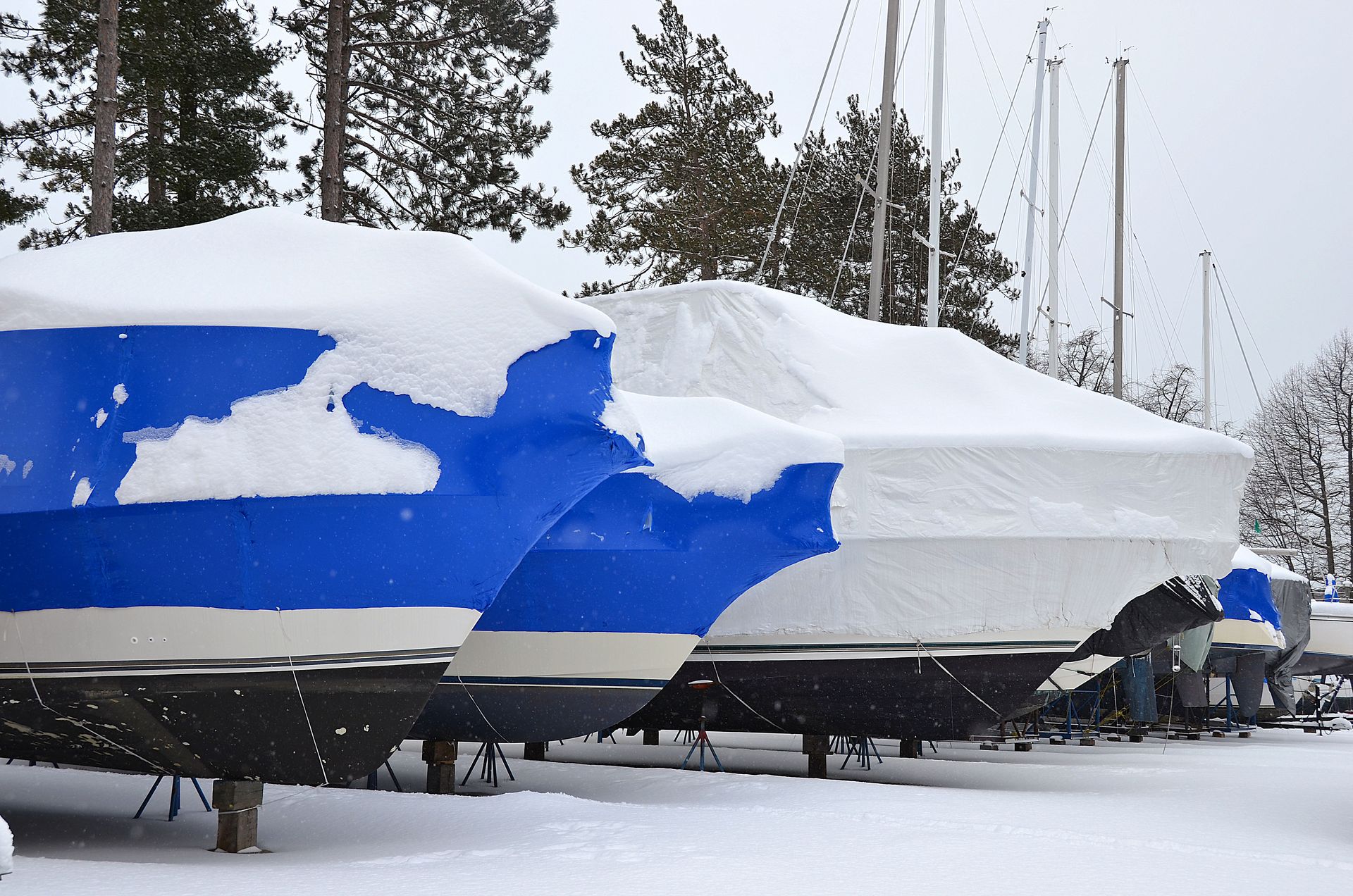
Proper storage preparation can have a major effect on how a boat performs when it returns to the water. Extended periods without use can create their own maintenance challenges, particularly when fuel, batteries, engine components, and exposed surfaces are not prepared appropriately.
Seasonal preparation should account for the vessel's specific systems and the environment where it will be stored. Cleaning the boat, protecting appropriate components, checking fluids, addressing existing issues, and preparing the electrical system can help reduce problems during the storage period.
The work should not necessarily end when the boat is placed into storage. Periodic inspections can help identify changes that occur while the vessel is sitting unused. Checking for moisture, pests, deterioration, or other developing conditions can make it easier to address problems before they become more extensive.
Before launching the boat again, owners should also perform a thorough inspection rather than assuming the vessel is ready simply because it was properly stored. Reviewing the engine, electrical system, fuel system, hull, safety equipment, and other important components can help uncover issues that developed during storage.
Routine inspections, engine care, electrical checks, hull maintenance, fuel-system attention, cooling and bilge service, and seasonal preparation can all help reduce the likelihood of unexpected problems. Keep your boat ready for the water and stay ahead of costly repairs—contact AJ's Mobile Marine today to schedule the maintenance your vessel needs.


Share On: